
Anthropic accidentally leaked Claude Code’s entire source code
Anthropic accidentally published the entire Claude Code source code to npm. A misconfigured build file did what no hacker could.
The models, the launches, the funding rounds, and the quiet policy decisions that actually shape how artificial intelligence gets built and deployed.
Anthropic accidentally published the entire Claude Code source code to npm. A misconfigured build file did what no hacker could.
Alibaba just dropped another Qwen model on OpenRouter, shortly after Qwen 3.5 Omni. This one is text-only but packs a 1M token context window.
Alibaba released Qwen3.5-Omni, an open-weight model that sees, hears, and speaks — and can turn a voice description into working code in real time.
Ollama added a one-command way to launch a minimal coding agent. It is called Pi, and it powers OpenClaw under the hood.

Google DeepMind published research on AI manipulation. The study shows in which areas can AI manipulate you the most – and companies are already using these tactics to the fullest.
New research shows that in over 1 in 5 comparisons, the cheaper AI model actually costs more to run. The culprit is a cost that most providers do not clearly surface.
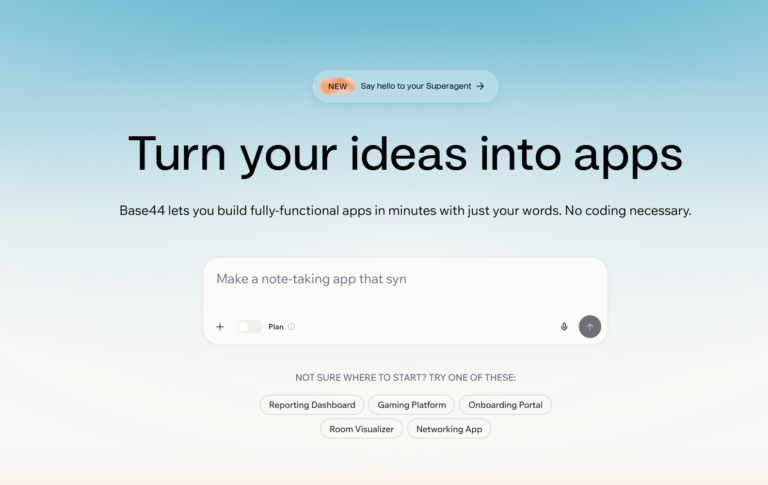
Base44 just released a feature that lets you paste any URL and instantly clone its UI into a functional app. It solves the “generic AI design” problem by letting users directly copy human-made websites.
Google just released Gemini 3.1 Flash Live. It eliminates awkward pauses and is heavily optimized for developers building autonomous AI agents.

Zhipu AI just surprise-dropped GLM-5.1. It rivals Claude 4.6 in coding at 1/7th the price. Here’s how to test it today.
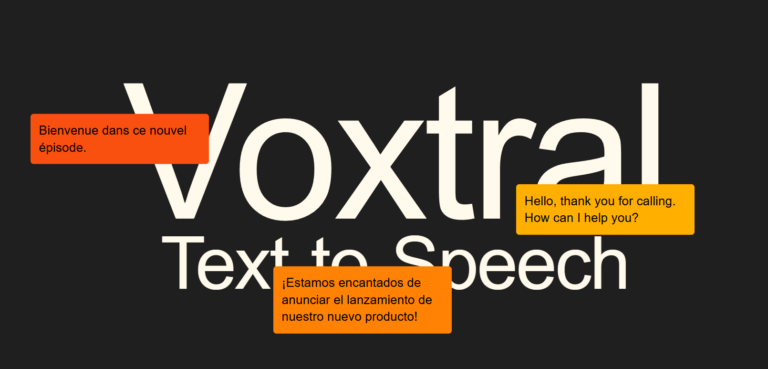
Mistral launched a text-to-speech model that clones a voice from 3 seconds of audio and runs on 3GB of RAM.