Karpathy joins Anthropic, Google I/O delivers Gemini 3.5 and a 24/7 personal agent, Standard Chartered cuts 7,000 for AI

Karpathy joins Anthropic. Google I/O drops Gemini 3.5, Omni, and Spark while Standard Chartered cuts 7,000 jobs and calls it AI.
Andrej Karpathy announced he is joining Anthropic for frontier LLM research, the biggest individual talent move in the industry in some time.
Google I/O delivered Gemini 3.5 Flash, Gemini Omni, and Spark, a new cloud-based agent that handles tasks in the background without you being at a device. Standard Chartered announced 7,000+ job cuts, explicitly attributing them to AI replacing what its CEO called “lower-value human capital.”
★ Lead Story · Anthropic · Talent
Andrej Karpathy is joining Anthropic for frontier LLM research

Andrej Karpathy announced on X that he is joining Anthropic. He described the next few years as “especially formative” for large language model development and said his focus will be R&D at the frontier.
Karpathy co-founded OpenAI, then led Tesla Autopilot before leaving to work independently. He has spent the past several years publishing educational AI content and building tools on his own. The move ends a period of independence that made him one of the field’s most prominent voices outside any lab.
He noted he remains committed to education work and plans to return to it in the future. For Anthropic, the hire is its most high-profile external technical acquisition.
TL;DR
Karpathy left independent work to join Anthropic for frontier LLM R&D, calling the next few years especially formative.
Google · AI
Google I/O brings Gemini 3.5, a 24/7 background agent, and a redesigned Search

Gemini 3.5 Flash is rolling out now across the Gemini app, Search, and the API. Google claims it runs 4 times faster at half the cost of comparable models, with strong coding benchmark scores. Gemini 3.5 Pro follows in June.
Gemini Omni is a new multimodal family starting with Omni Flash. It accepts text, photos, video, and audio as input, with a focus on video generation that users can adjust through natural conversation. It is available now on paid Gemini tiers, with free trials through YouTube Shorts.
The centerpiece of the event is Gemini Spark, a cloud-based personal agent that runs in the background without a device open. Spark handles multi-step tasks across Gmail, Docs, Sheets, and third-party apps. It launches next week for AI Ultra subscribers, with that plan repriced from $250 to $200 per month.
Early user reception is mixed. Gemini 3.5 Flash has drawn criticism for a price increase alongside inconsistent real-world performance, with some power users reporting regressions in daily tasks despite strong benchmark numbers. One widely-shared account described Omni as heavily rate-limited at launch, with improvements that felt incremental rather than substantial.
TL;DR
Spark is the centerpiece: a 24/7 cloud agent that handles multi-step tasks without you being at a device. The models themselves are getting a cooler reception than the benchmarks suggest.
Google · Agents
Google DeepMind pays up to $100 million to absorb Contextual AI’s team and tech

Google DeepMind struck a deal valued between $80 million and $100 million to hire more than 20 researchers from Contextual AI and license the startup’s core technology. Contextual AI’s co-founder and CEO Douwe Kiela is included in the move.
Contextual AI was backed by Jeff Bezos and specialized in building AI agents that handle chained, multi-step tasks beyond simple chat. DeepMind is describing the deal as an acceleration of its own agent development, adding external talent and IP rather than acquiring a product.
TL;DR
DeepMind spent up to $100 million to bring in the team and IP behind a Bezos-backed agent startup rather than build from scratch.
Sponsored
 RunPod
If you need on-demand GPUs for training, fine-tuning, inference, or running open-source models, give RunPod a try.
- Available hardware: H100, H200, A100, L40S, RTX 4090, RTX 5090, and 30+ more
- Cost: significantly cheaper than AWS or GCP, billed per second, no contracts
- Setup: spins up in under a minute, 30+ regions worldwide
Affiliate disclosure: We may earn a commission if you sign up via our link, at no extra cost to you.
OpenAI · Startups
OpenAI is offering every YC Winter 2026 startup $2 million in API credits for equity
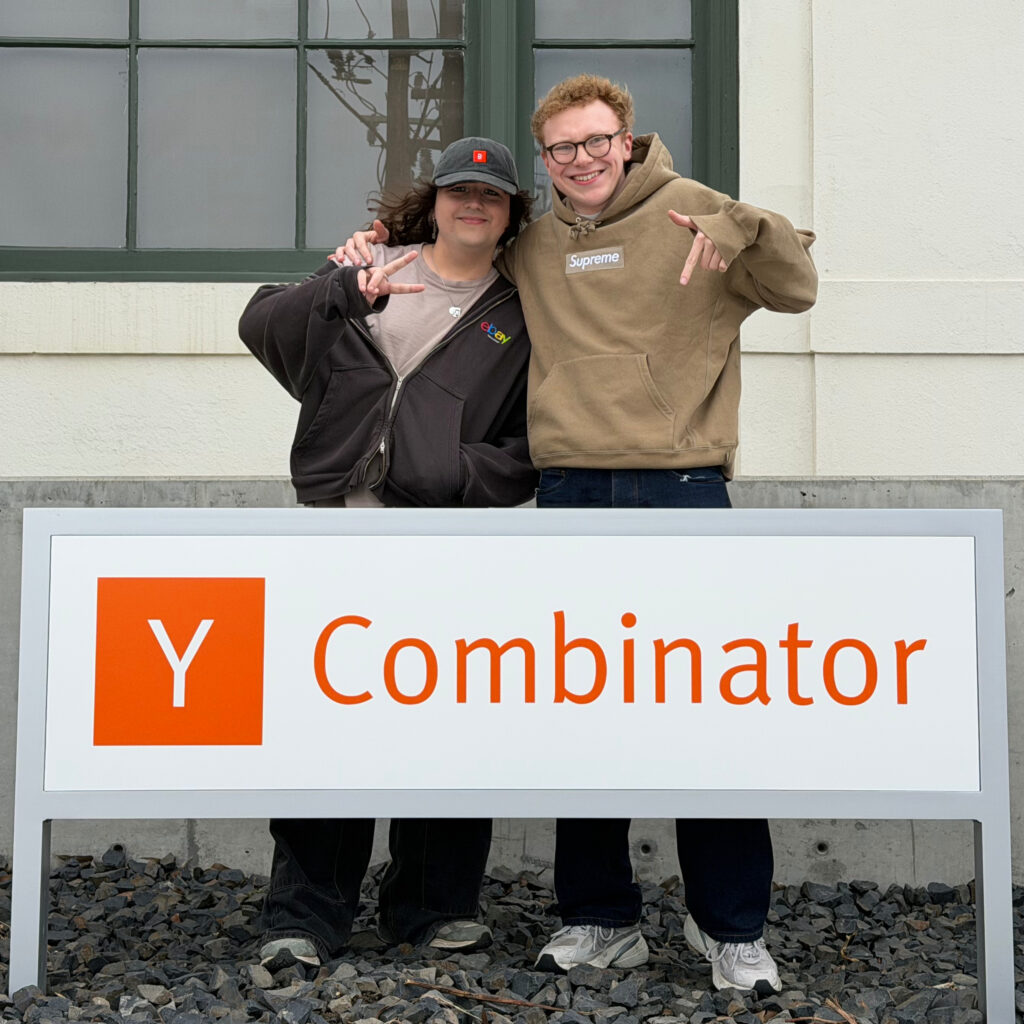
Sam Altman offered roughly $2 million in OpenAI API credits to each startup in Y Combinator’s current Winter 2026 batch. With approximately 200 companies in the cohort, the total commitment approaches $400 million in prepaid compute. OpenAI receives equity in return; the exact percentage has not been disclosed.
YC partners described the offer as bullish, pointing to the runway it gives cash-limited founders building on AI. Critics argue it ties the next generation of startups to OpenAI’s platform from day one and gives the company early visibility into what the cohort is building.
The structure echoes a 2011 blanket deal Altman helped arrange during his own time at YC, when investor Yuri Milner offered convertible notes to every company in a single batch at once.
TL;DR
OpenAI is seeding the entire YC Winter 2026 cohort with $2M in compute credits each, taking equity in return and locking roughly 200 startups onto its platform from day one.
~$400M
Total OpenAI compute credits committed to approximately 200 YC Winter 2026 startups at $2 million per company. Source: Digg / Sam Altman.
Finance · AI Jobs
Standard Chartered is cutting 7,000 jobs to replace “lower-value human capital” with AI
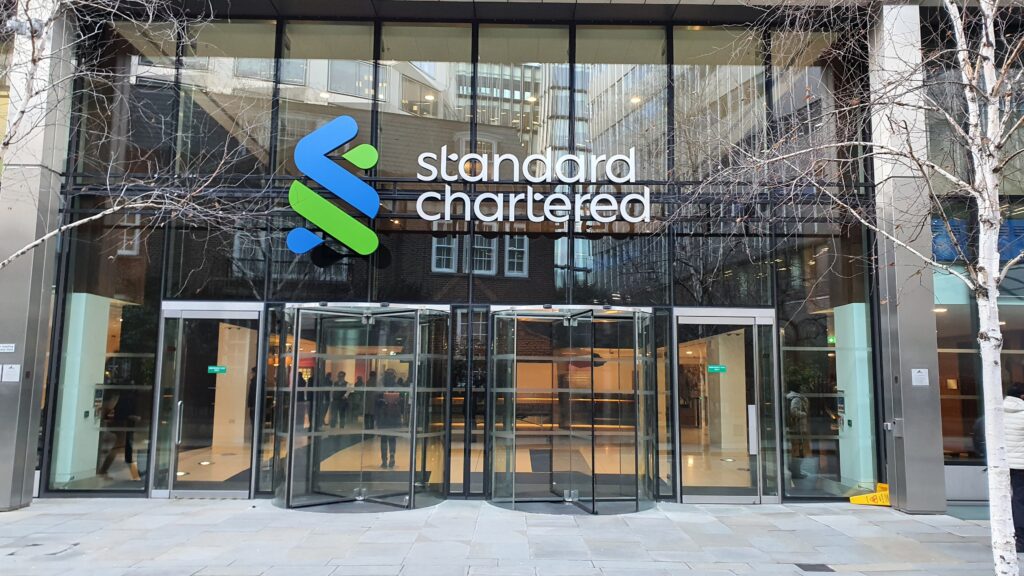
Standard Chartered will eliminate more than 7,000 corporate-function roles by 2030, targeting roughly 15% of its approximately 52,000 back-office headcount. CEO Bill Winters attributed the cuts directly to AI and automation, describing them as replacing “lower-value human capital.” The reductions are concentrated in India, Malaysia, and Poland.
The bank cited a specific productivity gain as evidence: AI surveillance systems now generate 40% fewer false alerts. Some affected staff will be retrained or redeployed, though no breakdown of how many has been given. The announcement drew immediate online backlash for the bluntness of the language used.
One day later, HSBC CEO Georges Elhedery told the bank’s 200,000 employees that generative AI “will destroy certain jobs and will create new jobs,” urging them to embrace the transition. His framing centered on training and upskilling rather than cuts. Two major global banks addressed the same question in 24 hours and arrived at very different public positions.
TL;DR
Standard Chartered is the first major bank to say plainly that AI is replacing headcount, not just augmenting it.
We all know generative AI will destroy certain jobs and will create new jobs.
— Georges Elhedery, CEO, HSBC · Reuters, May 20, 2026


⚡ Quick Hits
- AEON raises $8M to build payment rails for AI agents. The Hong Kong startup closed a pre-seed led by YZi Labs to build on-chain settlement infrastructure for autonomous AI agents, with initial focus on BNB Chain. Investors include IDG Capital, HashKey Capital, and the Stanford Blockchain Builders Fund.
- Alibaba’s Tongyi Lab released Qwen3.5-LiveTranslate, a real-time audio-visual interpretation model covering 3,500+ language pairs across 60 written languages and 29 voice output languages. It includes real-time voice cloning to match the original speaker’s tone, and visual grounding to resolve ambiguities from on-screen content or gestures.
- Alibaba unveiled the Zhenwu M890 chip at its Cloud Summit, claiming performance comparable to Nvidia’s H20. The chip shipped alongside a new Qwen-family language model trained on the domestic hardware. Beijing simultaneously added Chinese-made AI chips to official government procurement lists for the first time.
- Google Search is getting an “intelligent search box” that accepts files, photos, video, and Chrome tabs as input. Information agents launching this summer will proactively monitor sites for changes and deliver unprompted alerts. AI Mode is rolling out now, combining visual search with conversational product discovery.
- Tesana AI launched Muranyi 3, an updated game generation model that builds playable environments, NPCs, and mechanics from text prompts. The new version improves graphics, animations, NPC behavior, and load times, and adds a built-in code editor.
- Chrome’s WebMCP API is entering origin trial in Chrome 149, a proposed standard for exposing site features to browser-based AI agents. Rather than having agents guess at page elements, WebMCP lets sites declare JavaScript functions and annotated forms with JSON schemas, so agents can interact precisely with things like booking flows or support forms.
- Manus AI added a Higgsfield connector that brings image and video generation into agent workflows without manual file handoffs. Manus retains full project context across steps, so generated visuals can feed directly into websites, launch assets, or motion concepts inside the same task.

Get the core business tech news delivered straight to your inbox. We track AI, automation, SaaS, and cybersecurity so you don't have to.
Just read what you want, and be done with it.