Hermes Agent v0.12.0 adds Kanban multi-agent orchestration with dependency tracking and structured handoffs

Hermes Agent v0.12.0 adds a Kanban-based multi-agent orchestration system, letting specialized agents claim tasks, work in parallel, and pass structured context to downstream agents through a shared SQLite-backed board.
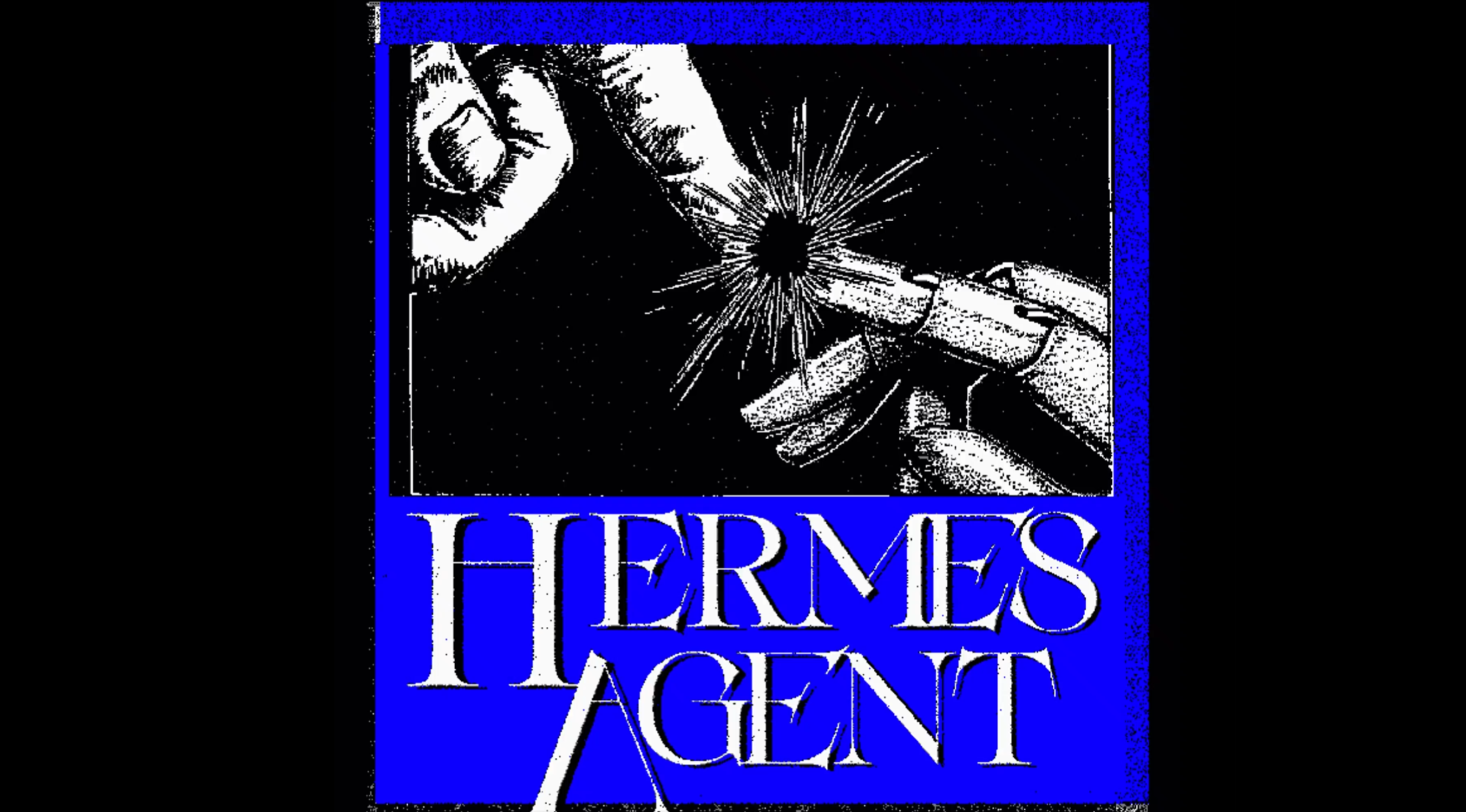
Hermes Agent just added Kanban-based multi-agent orchestration in v0.12.0. The release builds on the multi-agent support Hermes introduced recently, this time adding a full task board where specialized agents claim work, run in parallel, and hand off results to the next stage.
For context: Kanban is a task management method where work items move through columns (To Do, In Progress, Done) as they get completed. Hermes maps that directly to agents, with each column reflecting real task state and each agent picking up whatever is ready in its lane.
The way it works in practice:
- Task claiming: Agents pull from a shared board based on their assigned profile. A backend agent, a QA agent, and a translator agent can all work from the same board simultaneously without stepping on each other
- Dependency tracking: Tasks can have parent-child relationships. A child task stays in Todo until its parent completes, at which point it promotes to Ready automatically
- Structured handoff: When an agent completes a task, it passes a summary and metadata blob to the next agent in the chain. Downstream agents get that context before they start, so a reviewer agent already knows what an engineer agent changed before picking up its task
- Crash recovery: If a worker process dies mid-task, the dispatcher detects the dead PID and re-queues the task. A circuit breaker blocks tasks after repeated consecutive failures to prevent infinite retry loops
- Live dashboard: A web UI at
localhost:9119shows the full board with per-profile lanes, task drawers with full run history, and a manual dispatch nudge button
The board state is stored in a SQLite database at ~/.hermes/kanban.db, shared between the dashboard and CLI. Everything visible in the UI is also available via hermes kanban <verb> on the command line.
OpenClaw handles multi-agent work through subagent delegation, where a primary agent spawns and directs sub-agents within a session. Hermes takes a different approach, treating the board itself as the coordinator and letting agents operate independently against a shared task queue.
Source: Nous Research

Get the core business tech news delivered straight to your inbox. We track AI, automation, SaaS, and cybersecurity so you don't have to.
Just read what you want, and be done with it.